Canada Boat Maintenance Winter Storage

Seasonal Maintenance and Winter Storage for Canadian Vessels

Practical reference on engine flushing, hull inspection, dry-dock preparation, and step-by-step lay-up procedures before the cold season.

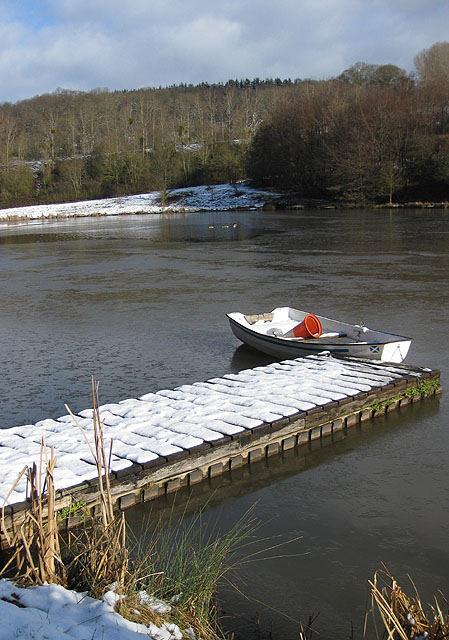
A small boat resting on shore during a winter day

Winterizing and Dry-Dock Guides

Three in-depth reference articles covering the main phases of seasonal boat preparation in Canadian conditions.

Mercury Marine inboard motor

Engine Maintenance

Seasonal Engine Flushing: Protecting Your Marine Powerplant for Winter Storage

How to properly flush outboard and inboard engines, apply fogging oil, change gear lube, and prevent internal corrosion before the vessel goes into storage.

Read article
Boat stored in a dry dock facility

Haul-Out & Storage

Hull Inspection and Haul-Out: A Practical Guide to Dry-Dock Preparation

What to check during a haul-out inspection, how to identify osmotic blistering, through-hull fitting condition, and how to position a vessel on cradles or jackstands.

Read article
Canal boat in a dry dock facility

Lay-Up Checklist

Winter Lay-Up Checklist and Cover Selection for Canadian Boaters

A structured lay-up checklist covering antifreeze treatment for water systems, battery maintenance, interior preparation, and how to select and rig a winter cover.

Read article

Canadian Winters Demand a Complete Lay-Up

Temperatures across Ontario, Quebec, and British Columbia can drop well below freezing for months at a time. Residual water left in raw-water cooling circuits, ballast tanks, bilge lines, or live wells can expand upon freezing and split components that would otherwise last decades.

A thorough winterizing process — engine flush, antifreeze treatment, drained bilge, sealed exhaust ports, and a properly supported hull — protects the vessel from the specific failure modes associated with sub-zero storage.

The articles on this site cover each phase in sequence, from the last day on the water through spring commissioning prep.

Patrol boat being lifted out of the water for hull inspection

What You'll Find Here

Engines

Raw-Water Flushing

Outboard and sterndrive flush procedures using fresh water and fogging oil to displace salt and moisture.

Hull

Haul-Out Inspection

Osmotic blister identification, through-hull fittings, zincs, keel bolts, and bottom paint assessment.

Systems

Antifreeze Treatment

Flushing freshwater systems, head plumbing, and live wells with propylene glycol antifreeze rated for marine use.